Johor's industrial rental market runs on different timing from its sales market. A logistics operator adding a distribution point, a manufacturer bridging a capacity gap, or a contractor needing covered yard space usually has to move within a quarter rather than wait out a two-year build. AiProp lists industrial property to let across Johor, covering detached and semi-detached factories, link factories and bare industrial land in Senai, Johor Bahru, Kulai, Gelang Patah, Desa Cemerlang and Masai. Each listing shows the built-up or land area next to the asking rate, so a tenant can weigh fit-out cost against monthly rent before booking an inspection. AiProp currently focuses on Johor, with rental listings expanding to other Malaysian states.
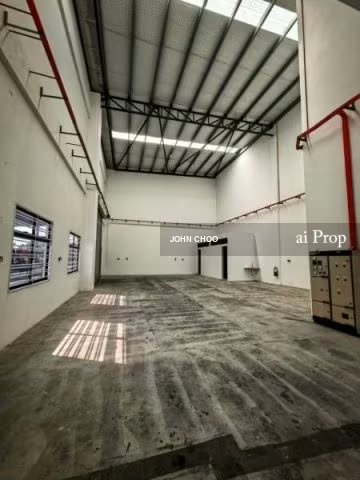
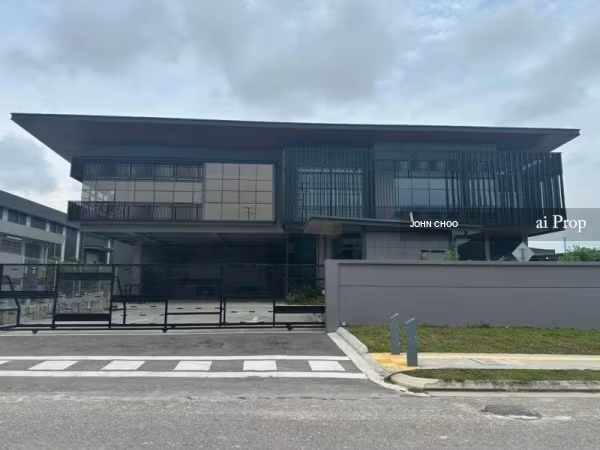
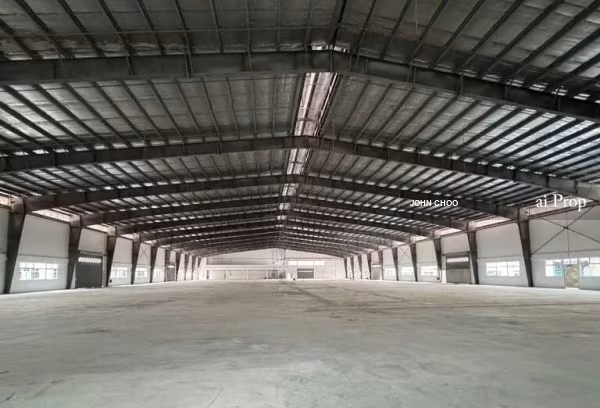
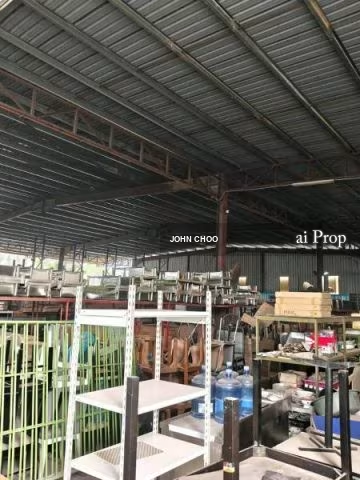
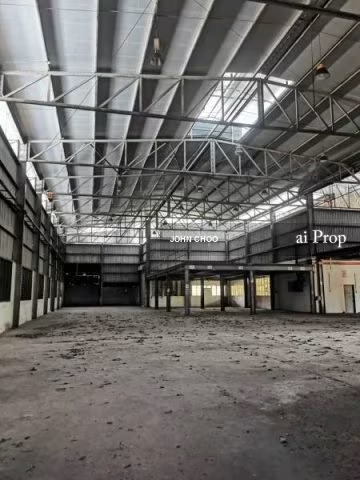
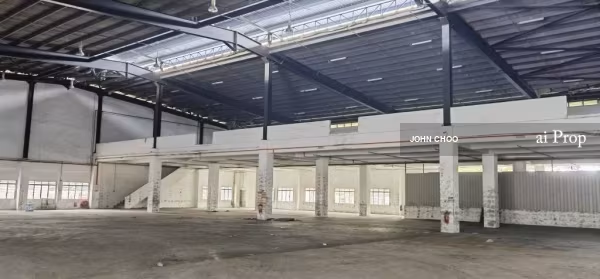
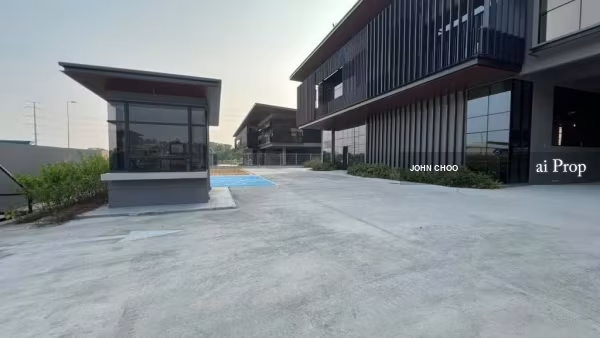
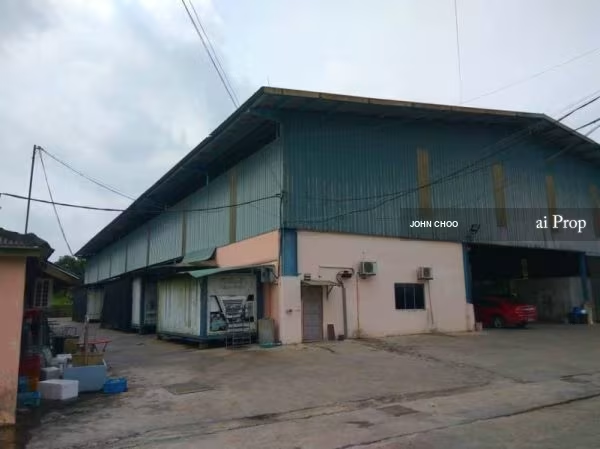
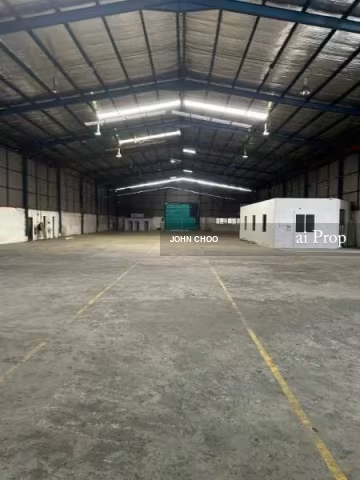
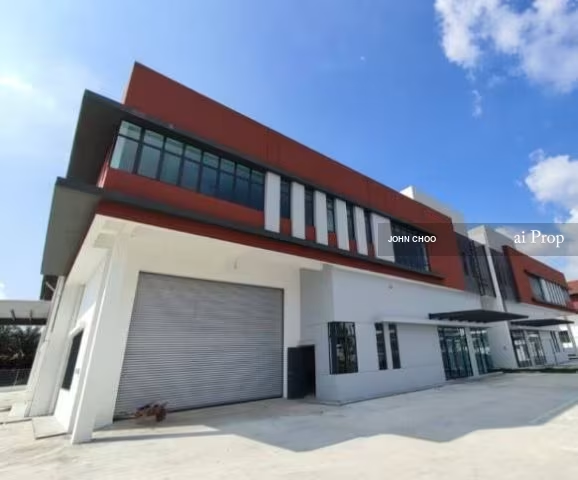
Detached, semi-detached and link factories to let, from compact link units under 9,000 sq ft to single-tenant buildings above 80,000 sq ft. Ready-built space suits tenants who need to start operations without carrying a construction phase.
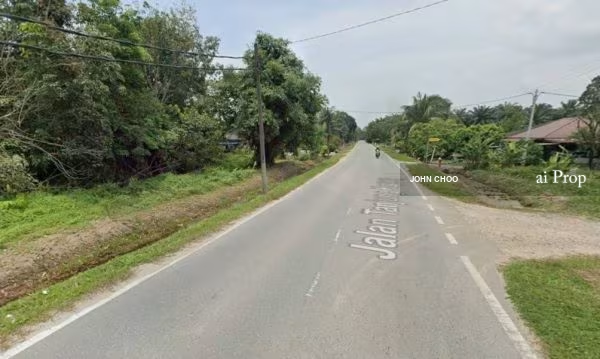
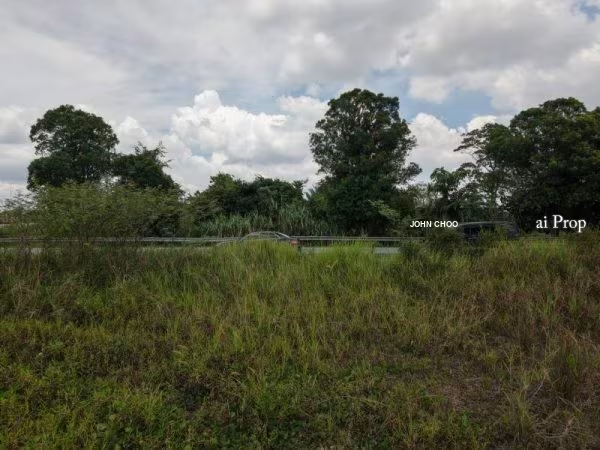
Bare industrial land available for yard storage, container parking, equipment laydown and contractor compounds, for tenants who need hardstand area rather than a building envelope.
The southern Johor corridors: Senai, Johor Bahru, Kulai, Gelang Patah, Desa Cemerlang and Masai, all within reach of the Singapore border crossings, Senai International Airport and the Port of Tanjung Pelepas.
WHY TENANTS CHOOSE SOUTHERN JOHOR
Cross-border access — the Causeway and the Second Link put a Singapore customer base within a daily drive, which matters for businesses servicing island-side clients
Port and airport proximity — Tanjung Pelepas and Pasir Gudang handle container traffic, while Senai International Airport supports air freight and the movement of technical staff
Established industrial estates — Senai, Kulai, Desa Cemerlang and Gelang Patah already have the road infrastructure, workforce catchment and supporting trades in place
Landlords willing to fit out — in a competitive rental market, racking, office fit-out or power upgrades are often negotiable into the lease instead of being funded separately
Shorter commitment than buying — leasing keeps capital free for machinery, inventory and working capital, and lets a business scale space up or down as order volume changes
BEFORE YOU SIGN A TENANCY AGREEMENT
Confirm the permitted use — industrial titles are zoned for specific activities, and warehouse storage is not interchangeable with a chemical process; the local authority can act on a breach
Verify the power supply — check the sanctioned electrical capacity against your machinery load, and price any upgrade before signing rather than after
Inspect floor loading and clear height — heavy machinery and high racking have different structural requirements, and both are far more expensive to remedy in an occupied building
Clarify who pays what — quit rent, assessment, insurance and repair obligations should be stated explicitly; industrial leases commonly place structural repairs with the landlord and internal repairs with the tenant
Check access and turning circles — container prime movers need adequate road width and manoeuvring space inside the compound, not only at the entrance
Agree the restoration clause — understand what the landlord expects removed or reinstated at the end of the term, and what deposit is held against it
PLAN THE NUMBERS BEFORE YOU COMMIT
Beyond the headline rate, a tenancy carries deposit, stamp duty on the agreement, utilities connection, fit-out and eventual reinstatement. If the space will also generate income, or you are weighing leasing against buying the same building, model the return first. Run the asking rent against an assumed yield in our property ROI and rental yield calculator, and convert quoted areas between acres, square feet and square metres with the land size and price converter. Both are free and need no sign-up.
FREQUENTLY ASKED QUESTIONS
Asking rates move with location, building age, clear height and power capacity, so every listing on this site shows its own rate instead of a single published figure. Compare that rate against the built-up or land area to establish the monthly cost, then add fit-out, deposit and reinstatement to reach the real commitment.
Take ready-built space when you need to operate immediately and can work inside the existing envelope. Take bare land when the process needs bespoke construction, heavy hardstand or open storage, and you can carry a build period before operations begin.
Have three things ready: the area and location you are targeting, your power and floor-loading requirement, and your intended commencement date. With those, we can shortlist units that genuinely fit rather than send you to inspect everything on the market.
TALK TO AN INDUSTRIAL AGENT
Tell us the area, the power requirement and your target commencement date, and we will shortlist units that fit. Contact our industrial property desk to arrange inspections.